There’s anything very nearly magical approximately the sizzle of brand new ginger and garlic in a hot wok. For absolutely everyone who’s fallen underneath the spell of stir-frying, the question finally surfaces: cast iron or carbon metal? The two classic ingredients have loyal followings and deeply rooted traditions, however for those who’re hoping for a realistic reply, get equipped for nuance.
Whether you’re outfitting your first house kitchen or looking to level up your place stir-fry recreation, figuring out how these woks differ in well-known use can retailer time, vigor, and a little bit heartache. Let’s dive into the lived trip of cooking with every single - including the quirks, surprises, and industry-offs that don’t always make it onto product packaging.
https://www.cookwarereviewhub.com/The Heart of the Matter
Choosing between cast iron and carbon steel woks isn’t essentially tradition or aesthetics. Each material shapes your cooking in approaches that handiest end up clear after true hours on the stove. Factors like weight, responsiveness to heat, seasoning demands, renovation workouts, and even how you transfer delicacies round within the pan all upload as much as create an enjoy with the intention to both spark joy or breed frustration.
Let’s smash down what it’s in reality want to wield each one type of wok in a domestic kitchen.
Weight: Friend or Foe?
Pick up a basic forged iron wok and you’ll in the present day note its heft. A 14-inch Chinese-fashion forged iron wok oftentimes weighs between 8 and 10 pounds. This mass facilitates preserve warmth yet makes tossing parts challenging except you could have serious forearm capability.
Carbon metallic woks inform a different story. Even tremendous types hover around three to 5 kilos. That distinction doesn’t sound dramatic on paper, however it’s night time and day should you’re lifting and swirling the wok over top warmness. If you’ve ever watched a Cantonese chef turn noodles with one hand even as wielding a spatula with the other, opportunities are they’re simply by carbon metallic.
I’ve cooked on the two for years. When I’m making rapid vegetable stir-fries or fried rice that require consistent circulate and tossing, I achieve instinctively for my historical carbon steel wok. The lighter think shall we me toss without straining my wrist or worrying about crashing into my stovetop.

On any other hand, when searing proteins or slow-cooking stews (yes, a few workers try this in woks), cast iron’s heft can be reassuring. But for every day stir-fries? Most domestic chefs desire lighter weight.
Heat Responsiveness: Control Versus Inertia
Wok cookery prospers on speedy variations: prime warmth to sear aromatics, then brief transformations as you add sauces or gentle veggies. This is in which carbon steel excels. It heats all of a sudden and cools down simply as swiftly should you raise it off the burner or upload cold materials.
Cast iron has a whole lot bigger thermal inertia; once scorching, it remains sizzling. That steadiness could be valuable for deep-frying or slow braises yet less acceptable whilst you desire minute-by way of-minute manage over temperature.
A reasonable illustration: whilst flash-cooking bok choy or snow peas with garlic, I quite often uncover my carbon steel wok shall we me regulate on the fly - cast off it from the heat for only a second to restrict burning. With cast iron, residual warm lingers longer. If you don’t account for this, refined vegetables can overcook or aromatics can pass from golden to bitter in moments.
Seasoning: A Tale of Two Surfaces
Both cast iron and carbon metallic rely on seasoning - a layer of polymerized oil that builds up over repeated use. Seasoning prevents rust and creates a semi-nonstick surface prized for its ability to liberate foods cleanly.
But the following’s the place matters diverge. New carbon metallic woks arrive silver-grey and broaden their black patina over weeks or months. Seasoning takes staying power yet pays off briefly as stir-fries cease sticking and cleanup gets simpler.
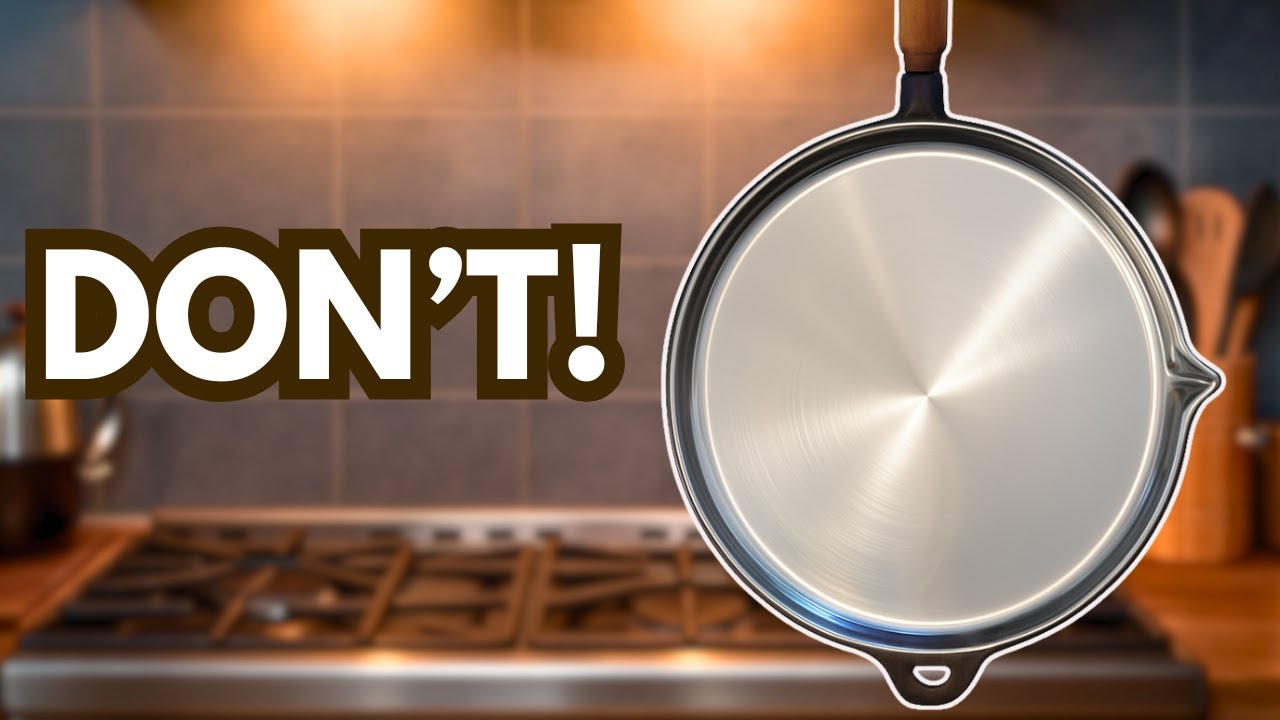
Cast iron frequently comes pre-professional (extraordinarily Western manufacturers), yet Chinese-type forged iron woks would possibly not. Either means, seasoning on cast iron tends to be more robust over the years yet also more vulnerable to flaking if dealt with kind of or washed improperly.
In my very own kitchen, I’ve chanced on that carbon metal seasoning builds up turbo if I persist with dry stir-fries and preclude acidic sauces early on. Cast iron calls for extra vigilance - letting water sit down too lengthy or scrubbing too demanding can undo months of progress.
Everyday Maintenance: Realities and Rituals
Let’s dialogue cleanup. Both woks choose soft cure: no cleaning soap (or simply light cleaning soap), no soaking overnight, dry appropriately after washing.
But forged iron is more sensitive to moisture; even a few drops left in the back of can invite rust in a single day. I’ve discovered this lesson greater than once after forgetting to towel-dry my wok publish-dinner.
Carbon steel is rarely proof against rust yet has a tendency to be greater forgiving whenever you seize it early. A short circulate over a lit burner dries out lingering moisture swift.
Re-seasoning is also more convenient with carbon metal. If I spot a rusty patch or nutrients starts sticking back, I only scrub it clean and wipe on a skinny layer of oil sooner than heating until it smokes flippantly. With forged iron, I want to be greater cautious - an excessive amount of oil or inadequate warm can go away sticky residue in place of a slick floor.
Cooking Style: What Each Wok Loves (and Hates)
It’s worth thinking what you desire to cook mainly. High-warm stir-fries call for speed and agility; steamed dumplings or lengthy braises require stable temperatures.
Carbon steel shines at traditional wok responsibilities: tossing shrimp with aromatics over excessive flame or charring sliced cabbage in seconds. Its sloped sides motivate move and maintain nutrients from crowding.
Cast iron excels at retaining warm for pan-frying dumplings or shallow-frying tofu cubes. However, it’s much less adept at speedy tossing except you've gotten severe top physique strength.
If you dream of wok hei - that elusive smoky aroma from searing foods over excessive heat - carbon metallic makes it more purchasable on widespread domicile stoves. It reacts so speedy that you will push elements up the perimeters with out losing temperature at the bottom.
What About Nonstick Woks?
Every so broadly speaking I’m requested about nonstick-coated woks as an “less complicated” preference. While they without a doubt simplify cleanup and dispose of some concerns approximately seasoning, they fall short in numerous key spaces.
Nonstick coatings holiday down at high temperatures - exactly what stir-frying needs. They additionally lack the “breathability” that lets professional steel advance complex flavors over the years. Most skilled chefs wouldn’t dream of via nonstick for severe wok cookery.
For house chefs attempting unique outcomes and sturdiness, gaining knowledge of to maintain either solid iron or carbon metal pays off tenfold.
Handles: Design Matters
A element many times ignored by means of first-time people today is deal with layout. Traditional Cantonese woks in many instances recreation two small loop handles; Mandarin-variety woks routinely have one lengthy wooden control plus a helper loop.
Carbon metallic woks are quite often made in either designs and are mild enough for both arrangement to work with ease for most human beings.
Cast iron woks with loop handles appear attractive yet are complex to lift when full of delicacies. Some trendy types include longer handles to improve grip yet this adds extra weight to an already huge vessel.
In my very own kitchen setup - a gas fluctuate with confined counter space - I to find myself attaining for my long-handled carbon metal wok after I wish to toss meals mid-cook. For slow simmered dishes the place I’m not relocating things a great deal, my double-treated solid iron feels good yet not at all nimble.
Stove Compatibility and Heat Source
The style of burner you employ plays an outsized function in how every wok plays.
Gas burners supply direct warmness surest for each different types of woks. Electric coils or ceramic tops wrestle to grant adequate concentrated heat, fairly for carbon steel which relies upon on speedy temperature differences.
Cast iron’s mass enables compensate slightly on weaker electric stoves by using keeping greater good baseline warm. Still, neither fabric will truely shine devoid of satisfactory BTUs less than them.
Induction cooktops latest any other wrinkle. Carbon metallic woks work good as long as their bottoms are flat ample for touch; natural around-bottom woks won’t take a seat flush except you utilize an induction ring adapter. Many brand new cast iron woks are made with flat bottoms especially in this case.
Some cooks spend money on moveable backyard wok burners (probably 50,000+ BTUs) to reach eating place-flavor outcomes at domestic. In the ones setups, carbon steel turns into very nearly irreplaceable for rapid-fireplace stir-fries.

Cost and Longevity
Cost varies greatly headquartered on emblem, size, conclude, and neighborhood availability.
Carbon metallic woks are constantly more lower priced - in most cases $25 to $50 for a forged variety from forte Asian markets or legitimate on-line sellers. Premium brands can run better but seldom exceed $one hundred until bundled with components.
Cast iron woks in most cases payment greater as a consequence of higher textile mass and delivery weight. Expect $40 to $100 for most ideas; artisanal or designer types can move increased.
Both varieties final many years if nicely cared for. My oldest carbon metallic wok is pushing 15 years previous and looks enhanced now than whilst new. I recognise households who hand down forged iron woks by using generations - their surfaces darkish with memory and style.
Comparing Cast Iron Wok vs Carbon Steel: At-a-Glance
Here’s a concise evaluation to clarify key differences:
| Feature | Carbon Steel Wok | Cast Iron Wok | |------------------------|----------------------------|-------------------------------| | Weight | three-five lbs (known) | 8-10 lbs (familiar) | | Heat Responsiveness | Very rapid | Slow to warmth/cool | | Seasoning | Builds at once | Thicker but can even flake | | Maintenance | Forgiving | Requires vigilance | | Ease of Tossing | High | Low (unless very amazing) | | Cost | Lower | Higher | | Stovetop Compatibility | Best on fuel/excessive-warmness | Stable on vulnerable burners | | Wok Hei (Smoky Flavor) | Easier to in achieving | Possible but harder | | Longevity | Decades (if cared for) | Generational |
The Human Factor: Skill Level and Confidence
Beginners on the whole gravitate towards nonstick or heavy forged iron wondering those will be more uncomplicated to arrange. In apply, carbon metallic is extra forgiving after you embrace its quirks and invest some attempt into seasoning.
My counsel for learners: don’t permit initial sticking or discoloration scare you off from carbon metallic. The first few weeks is likely to be rocky but stay with it - actually and figuratively - and also you’ll soon have a software that appears like an extension of your hand.
Cast iron rewards planned procedure and patience but punishes neglect greater harshly than carbon steel does.
A Quick Reference: Which to Choose?
To aid explain which may possibly match your demands best suited, here’s a practical list:
Carbon Steel Wok is most probably easier whenever you:
- Want to toss materials frequently Prefer lighter cookware Value immediate temperature control Don’t brain spending somewhat time seasoning
Cast Iron Wok may possibly suit you when you:
- Rarely toss ingredients Like slow-cooked or deep-fried dishes Have a useful stove Enjoy average cookware with household history
Stories from Real Kitchens
I’ve met cooks who swear by means of their grandmothers’ battered forged iron woks - surfaces blackened by way of decades of pork fats and ginger. Yet among restaurant chefs I understand in San Francisco’s Chinatown, approximately all reach for properly-worn carbon metallic fashions that can charge much less than a dinner for 2.
One domicile cook I spoke with had commenced with forged iron yet switched after knowing she prevented stir-fries on the grounds that her wrists damage lifting it off her range each and every night time. After switching to carbon metal, her repertoire extended in a single day - from pad see ew to Mongolian beef - absolutely because she felt more agile at the range.
Another pal uses her solid iron wok solely for steaming dumplings and deep-frying sesame balls; she prefers its heft or even heating for the ones packages yet assists in keeping a carbon metal brand readily available for spontaneous weeknight stir-fries.
The Intangibles: Rituals and Connection
There’s a specific thing meditative approximately warming oil in a seasoned wok - swirling it until the floor glistens like black glass beforehand tossing in crisp scallions. Over time, the two versions advance personalities formed via your habits.
Carbon metal woks reap man or woman as their surfaces darken from tons of of foodstuff. They start silver-grey and find yourself essentially jet black - working example of dedication in the kitchen.
Cast iron includes its personal gravitas; every scratch tells a story. It rewards folks who treat it lightly however firmly - neither coddling nor neglecting its needs.
Either way, deciding on between cast iron wok vs carbon metal isn’t on the subject of ease of use on day one. It’s approximately searching which instrument fits your rhythms, ambitions, and physical convenience on the range.
Final Thoughts
After years flipping veggies over roaring flames and cleansing up after nighttime experiments long gone awry, my verdict is that this: For such a lot home cooks in quest of ease of use without sacrificing versatility or flavor, carbon steel wins by means of a comfortable margin. Its lightness encourages flow; its responsiveness makes discovering exciting rather then challenging; its cost lowers the barrier to access.
But for folks who cherish sluggish-cooked dishes or crave cookware with gravitas - or who readily love the texture of cast iron below their palms - there’s nevertheless a spot for that heavy old vessel beside your range.
The right wok is lastly the one that conjures up you to cook more in many instances and extra joyfully, no matter its pedigree or patina.